229. Cultivating Accountability and Work Ethic in Dance Teams: Insights from 3 Coaches

 Apple Podcasts
 Spotify
 Goodpods
 RSS Feed
 In this special episode of Passion for Dance, Dr. Chelsea discusses strategies for fostering accountability and work ethic in dance teams with three distinguished coaches—Arianna from Washington, Jenna from Nebraska, and Edwina from New York. Each coach shares her approach to setting high expectations, maintaining motivation, and building a supportive culture where athletes take ownership of their goals. This episode will feel relatable to any dance coach, and will give you actionable strategies you can implement in your next practice.
Episode Resources: https://passionfordancepodcast.com/229
Releve: Dance Coach Membership: https://passionfordancepodcast.com/membership
Episode Breakdown:
00:17 Meet the Coaches
02:09 Defining Work Ethic
09:41 Establishing Expectations
16:24 Maintaining Motivation
23:30 Accountability Strategies
30:50 Reframing Fun and Goals in Dance
31:32 Coaching Philosophy and Personal Growth
32:52 Demerit and Merit Systems
34:01 Empowering Leadership and Accountability
40:05 Balancing Mental Toughness and Care
42:29 Building Team Culture and Legacy
50:01 Effective Coaching Strategies
57:37 Final Thoughts and Reflections
Dr Chelsea: [00:00:00] Hi, it's Dr. Chelsea. Welcome to Passion for Dance, where it's my mission to create happier, more successful dancers through positive mental skills. And I know that many dance coaches struggle with getting their athletes to put in the hard work, stay accountable to their goals, and push through when dance is hard.
Today I am sharing a special episode to give you different perspectives from three coaches who know how to handle the challenge I have Arianna, a high school coach from Washington. Jenna, a high school and all star coach from Nebraska and Edwina, a college coach from New York.
Individually and collectively, they all have successful teams, but they don't coach exactly the same. So I asked each of them to share how they establish high expectations and hold dancers accountable, how they motivate dancers during the long season, and how they built a culture where athletes take ownership of their own goals and their own progress.
If you are a dance coach. Listen in, and I bet you'll wanna take notes as these coaches share so many strategies and tools that you will want to try too. [00:01:00] I also wanna share that all three of these coaches are in my Dance Coach membership releve, and some of the tools that they referenced were things they learned in that community.
If you're interested in learning more about it, you can check it out at passion for dance podcast.com/membership. Okay, here's a crash course in building mentally tough, accountable, hardworking dance teams.
Welcome to Passion for Dance. I'm Dr. Chelsea, a former professional dancer, turn sport psychologist, and this podcast is for everyone in the dance industry who want to learn actionable strategies and new mindsets to build happier, more successful dancers. I know what it feels like to push through the pain, take on all the criticism, and do whatever it takes to make sure the show will go on.
But I also know that we understand more about mental health and resilience than ever before, and it's time to change the industry for the better. This podcast is for all of us to connect, learn, and share our passion for dance with the world.
Dr Chelsea: Hi coaches. Thank you all so much for joining me.
Edwina M.: Hi. [00:02:00] Thank you for having us.
Dr Chelsea: Of course. I'm happy to be able to have multiple viewpoints. This is gonna be a great way to have this conversation about work ethic. So let's start by just thinking about what does good work ethic mean to you? So if one of you want to just jump in, let me know what you think. Good work ethic means to you or what you're looking for in your dancers.
You're like, that's, that's a hundred percent.
Jenna W.: Yeah, for me it's all about the effort and on that same token, the recovery of what's happening in practice. So coming into practice, um, you know, there's all those feelings about leaving stuff at the door, acknowledging it, bringing it with you, giving your 100%. But what I'm always looking for and what I expect of my athletes is for them to be giving their full effort. And [00:03:00] in turn, making great recoveries. So when we're in practice and when we're making mistakes or when we have a fail, having the resiliency and the work ethic, the hardworkingness, the want to recover from anything that might happen.
Dr Chelsea: Absolutely. 'cause if it, it's not just, you know, going full out. It's like when something goes wrong, what do you do about it?
Jenna W.: Yeah. And that, that is really what I mean. When we're running full outs and when we're cleaning competition routines, it's never doing the routine with no mistakes. It's doing the routine with the best recovery.
Dr Chelsea: Yeah.
Jenna W.: That really showcases work ethic to me because if you care, really care about what you're doing and the work that you're putting in, you'll fight for the recovery of it, not just expecting it to be perfect.
Dr Chelsea: Yeah, I like that. I can feel that difference from just [00:04:00] going a hundred percent. It's not just full effort. And like you were saying about how maybe it's everybody's a hundred percent that day, like right, there's that conversation around what can you give today? Doesn't mean you can be lazy either.
Like what? What that has to look like. So yeah. Edwina, you were agreeing. Is that what work ethic feels like for you?
Edwina M.: Yeah. I think for me, with my team specifically, and I think it's just a life philosophy of mine, is commitment. Is work ethic, right? Because you may want to be somewhere, but can you be somewhere? There are two very different conversations. So that means are you on time? Do you frequently ask for days off when you are on time?
Are you prepared? Are you reliable? Um, we center them around our core values, which is trust, grit, and gratitude. So can we trust you? Can I trust you? Can your teammates trust you? Do you have the grit to keep going when things get hard, when you have 20 credits and it's exam season and we just did 19 hours of Pom choreo, [00:05:00] you know, what does that look like?
So to me, I always say like, I coach commitment, but I can teach you talent. So commitment's a very big model for me and my team.
Dr Chelsea: Okay. So you're seeing work ethic too, more so obviously what's in the studio, but also it's the whole thing, right? How you're
Edwina M.: They already have work ethic because they are extremely smart. So that piece already exists right? In their classroom. But how do you pivot that to something that's not one plus one equals two? Dance is very subjective, right? Has its waves, has its good days, it's bad days. It's not a math formula. But how do you pivot that to something that you can't always hold in the palm of your hand, right? Because that's a very different conversation for someone's brain who's very, everything is very black and white.
Dr Chelsea: Absolutely. And for context, you have a more science focused, university, right? Like so your
Edwina M.: we are an engineering school, so just about everyone's either an engineer, an architect, or we have a [00:06:00] business school, which is also basically steeped in engineering.
Dr Chelsea: Yeah.
Edwina M.: So it's not the average business school as well. So their average credit load is somewhere between 19 to 20 credits. I think the average college student is 12 to 15 or 16.
So they're already have a very intense load and to be at the school and be successful, right? You had to have work ethic in high school. You have to be someone that gets your work done on time. So that already sort of exists, but how do I take that work ethic and translate it to dance? And again, dance is not something you can hold in the palm of your hand.
Dr Chelsea: Yeah, that
Edwina M.: not like building a bridge.
Dr Chelsea: Yeah, right. Different way of thinking about it. Yeah. Ariana, what about you?
Arianna S.: Um, for me it's really giving your best and your all on a given day. Our team, we implemented something this year called our speak up spot. It's a QR code every day that our dancers, before practice starts, they come in, they scan it, and they give us a one through five of how their day went, one being horrible, day, five being best day ever.[00:07:00]
And they give us a little bit of context. They just, it doesn't even have to be much, right? It can be what going on we need to know how can we as coaches best support you and like, what are you struggling with? Like, it's just three or four quick questions. And so someone that comes in and says they had a one for a day, their work ethic that given day may look very different than someone who's having the best day of their life.
Um, so we, I mean, for me, it kind of goes based off of that. But also, can you use dance to get over that? Right? Can you push through that bad day? To have a good day because you are here and you are putting in that work. Right. We always say that dance is, are a safe space and our place that like they can come and leave everything else outside.
We actually, like, we practice in our school commons, I'm not gonna lie to you. We practice in our commons and there's doors out to our atrium and like part of our startup practice is like closing those doors, which I feel like is kind of symbolic for like everything else is out of here. So it's using that number as a way to push through and [00:08:00] do better because of what our day looks like.
Right. And so for me it, it can vary day to day and dancer to dancer. And I know that some of them, it may be every day they're at 110% and some of them, some days they're at 10 and some days they're at that hundred percent. So it varies for me.
Jenna W.: . I think that's the beauty too of coaching a team sport because when you have team members that are at, you know, a one at their worst day ever, and you have team members that are at a five, I think when you. As like a successful coach have cultivated a culture where we understand as a team, like we're lifting the weakest link, not just dragging them behind and hoping they figure it out.
I think, I mean that really is a testament to, to your work ethic with that. And is the beauty of dance team versus, you know, other aspects of the sport where it's more [00:09:00] individualized.
Dr Chelsea: Yeah, that's what I was thinking, that it's, it's nice to hear that it's not just if you're having a bad day, it's like, okay, have a bad day. We'll see you next time. It's like, have a bad day and we can acknowledge it, but also you're still pushing yourself and that's where I think the miscommunication of a lot of dancers are getting that message of like, it's okay to have a bad day, which is true, but it's not okay to then just give up and not do anything today or not try when you're in that team setting.
Yeah.
Arianna S.: Like a bad day doesn't mean you have a bad life, right? So it's like it kind of goes hand in hand with that. Like you can have a bad day and then dance can be that thing to like it all away.
Dr Chelsea: right. Well, since the three of you have slightly different perspectives of what work ethic is, I think all getting to the same point but like have portrayed it differently, can you share a little about how you've communicated that to your team? Because I think for a lot of coaches, what you think is hard work.
Is different from what they think is hard [00:10:00] work and they're like, I am working hard, and you as the coach are like, this is not enough or not what I'm seeing. So if you see that disconnect or you have in the past, like how you communicate what you're looking for,
Jenna W.: I actually have a document that I put together, and on one half of it is requirements, and that's what my assistant coach and I have laid out as requirements for them. And it's like, be five minutes early to practice. Your hair needs to be pulled back, but also like be coachable, work hard, play hard.
That's where those expectations kind of come out. Um. I like to include in there and often telling my team, you know, I, I'm relentless in my expectations of you. They are so high, but it's because I'm relentless in my belief of what you're capable of and what you can do. And I try, I think as a younger [00:11:00] coach, when I was first starting, I just assumed the athletes knew that.
And now, you know, I try really hard to, I mean, over communicate my expectations of them. So then they have a point blank when they're falling short on the other half of that document is expectations, and that's what they decide as a team. So they have like, this is my requirements of you, what I expect from you in practice.
And then they set their own expectations and we kind of form an accountability statement out of that. So it's actually written down when they're falling short. It's a very like point blank, obvious, you're not doing these things.
Dr Chelsea: Yeah.
Edwina M.: Yeah, we're similar. Um, as a club sport, we're funded out of our student union, so we sort of have like a contract, um, that they sign and it lists our core values. It kind of talks about, um, your coaches' [00:12:00] expectations. But then I really found after COVID, I had to be a broken record. And I think I got that from you, Dr.
Chelsea, where I was making assumptions. And now it's like every practice, here's what we're gonna do today, here's what I expect today to look like. They get a itemized schedule of every single minute of our three hour practice where we should be, who's leading what, what are the outcomes for the day. And then, um, we try to journal.
So anytime we have anything big coming up, we set those kind of like. GWHOP goals. That's their favorite word by the way. It's now made our end time circle. Um, but so we set those goals for the weekend and I let them sort of lead that, right? Because you are gonna be there for however many hours, what does that look like to you?
What do you expect from your teammates? How are you going to show up? And again, it's that accountability because if you are not accountable, I can't force you to be here. I can't wanna win more than you, I can't wanna have the school pride more than you, like you have to carry that [00:13:00] weight, so to speak. So they do a lot of peer to peer because they've been there, they've been at nationals where they've done so great and they've been there where they haven't.
And they know that they can track it back to what went wrong during the year. So having that knowledge, I think helps. But again, being the broken record of. Almost every practice here are the expectations of today. And it makes them feel confident. 'cause they're like, yes, okay, I know that we need to do this today and this is what we're hoping to get out of just today in those bite-sized increments.
Dr Chelsea: Yeah.
Arianna S.: We also have a contract that outlines our practice expectations, how we expect them to like function in, in and out of practice as well. Um, but then we, we also do a written schedule. I have a chalkboard that every practice I do, and it outlines time, like how much time we're gonna spend on each thing, how many, if we're learning a routine, how many eight counts of a certain routine we need to get done in that set amount of time.
So then their brains are primed to do [00:14:00] that. 'cause before we were just like, okay, this is our plan. And if it wasn't written out for them, they would lose track of it. So we started doing that, and now actually I have it so that we're down, we have a system of practice, right? We have a 20, 25 minute warmup.
We have 20 minutes of technique, 30 minutes on this routine, 30 minutes on this one, 30 minutes. Like we have it broken up so that every practice is basically the same. We just rotate the order of the routine so they don't get bored of, it's always military first or it's always pom first. Like it's just, that keeps a little bit of variety in their life.
Um, but then my assistant coaches and I are also very big on like praising our dancers that are doing the right thing and doing it publicly. So if we see that our senior captain is doing everything right, we're like, you are doing so good. Or like, Hey, thank you for coming back, knowing all your choreography.
Or we can tell you've been practicing. Like, we are very big on like the public praise of it. So then they see that and they look up to their teammates. So then it forms that bond between them and that like, okay, I wanna be working as hard [00:15:00] as she is. I wanna be the one to get acknowledged for that.
Because I remember when I was on a team, if we didn't get that, it was like, what am I doing wrong? Like I want, I want, I want the acknowledgement, right? Like teenagers love that. So we make sure to appraise them and then we actually give them the opportunity once a week to praise each other. They do note cards every Thursday at practice where they get to like acknowledge something about one of their teammates that stood out that week to them, whether it's how hard they worked, how well they performed, whatever they feel, it's worth recognizing.
So that way there's that peer to peer acknowledgement too.
Dr Chelsea: I love the detail in the structure of practice, of course, because, but it does matter. And I think we used to coach, you know, okay, we're gonna work pom today, or we're gonna do technique and then we're gonna learn some more choreo. And that was enough and now, I think the explicit expectations are important the way all three of you have said that.
It's knowing exactly what I need from you. And yes, on the broad like contract picture, but also like [00:16:00] today when we're here for these few hours, this is what needs to happen today. When it's easy to be like, oh, well, I'm gonna work on this choreography for the next two months, so we'll just go in and repeat things instead of like, these are the incremental changes that need to happen today.
Like,
Edwina M.: Right.
Dr Chelsea: yeah, with, with those expectations, it sets the, the groundwork and it works a lot of the time. But we all also know that motivation slips during the season. We have very long seasons. Uh, we have times where things get really hard and we're just not feeling the hard work anymore. Or the practices where you're like, wow, nobody feels like going full out today.
What is happening? Will you talk a little about how you handle when the, the work ethic and the motivation is slipping in practice and kind of either keeping them accountable, making it enjoyable, like just however you approach those practices where you're like, work ethic is not happening today.
Edwina M.: Yeah, I mean sometimes I have that actual conversation. I [00:17:00] mean, our year started and you know, they hit the ground running and then we had games back to back. And we normally practice all over the spectrum because Right space, we all know that's a thing for dance teams. Um, you know, and one Thursday I just was like, we're gonna cancel Tuesday at 6:00 AM and they're like, are we in trouble?
And I'm like, no, you look like zombies and maybe you need a little bit of sleep or to be able to study really late. So I think balancing the when to have a break. We try to do scheduled breaks as a team. I don't set that part of the calendar without them. I let them have that input, like what would work best, but also just doing the silly fun things like.
Doing a random combo that I'm gonna make up going across the floor. I mean, just the things that can get them giggling. My team really loves each other, like in a very, like, really loves each other way. I don't know how else to explain it. They're quite obsessed with one another, so they really do enjoy each other's company.
Um, so just finding a way for them to have fun, or even for us as coaches, right, to have fun because it, [00:18:00] it is a very long season. Um, so just remembering that, balancing between the breaks, having the open conversation. Sometimes we use it as a journaling day and that gets them like de-stressed and I'm like, you don't have to share this as journals just for you.
And I feel like that's, that helps them like rally and refocus on our goals.
Dr Chelsea: Yeah.
Jenna W.: I think that the answer to that is a little individualized. 'cause I know my framework of how I approach it as a coach, but I also know at that, like when I get to that point in the season with every team that I've coached, it's been a different conversation. There are some years where it has been like, okay, so we just need a break.
Like that is going to be the most beneficial thing for us. We're gonna do like sun salutation, touch some grass, like
Edwina M.: Yep.
Dr Chelsea: Yeah.
Jenna W.: just reconnect and uh, my favorite. And I, I don't know the [00:19:00] actual like stat number, but I was told this in high school by a math teacher and it's what I pull out every year. Um, when we get to like that point in our season where you have one month left and it's like just nationals, like that's what you are looking for.
And it's like the majority of people, I think it's over 80% that drop out of a marathon. I ask the team what mile do they drop out on?
Dr Chelsea: Mm-hmm.
Jenna W.: And they all think it's mile one, it's mile two, it's like mile 24. Like the majority of people that drop out of a marathon, a 26.2 mile marathon dropout at mile 24. And we just talk about it's easy to drop out.
It would be easier to keep going like. Easy to do, easier not to do. Like that's a big conversation that we've had in [00:20:00] like this past year that was really big for the team that I coach. And they took that and ran with it, like easy to not do, easier to do. And that became like the last full out that they would do every practice.
They were like, you know, we could end practice or we could go two minutes over and do one more full out and feel better about it. And I think like with that team specifically, the very first practice, we wrote down our why and we actually posted it visibly and they got to decorate their little note card.
So they like people knew whose card belonged to who, and some of their why are because their parents want them to be here, that they had to pick a sport and they picked dance. And some of their why are that. I coach a high school team, um, and a, a senior all star team. So also high school age, and it's like they wanna be a professional dancer.
They're here better in the future of tomorrow. And I think having that [00:21:00] grounding to come back to when it gets hard, life is hard. It's always hard. Like anything worth having is going to be difficult at some point to get through. So staying grounded in the why, coming back to that and knowing even if your why changes, even if your dream changes, the work that you're doing today, even when you don't want to, is laying the foundation for what you're building tomorrow.
Dr Chelsea: Yeah. I think that gets a little to why, how you do this individualized, like you were saying, it's the type of reward, the type of conversation is not a one size fits all. You have to know what is that dancer looking for? What do they need, what does this team need, what that vibe is. Yeah, it looks different.
Yeah.
Arianna S.: also are big on conversations, right? And we'll ask the team like, what, what do you need? What do you, what do you feel is going on? Is there something we are missing as coaches, right? Because we're on the outside, [00:22:00] right? We all have our own struggles that we're going through, but we'll ask the team like, what do you need to help us get back on track?
And sometimes it's as simple as like, we have like silly games that we'll pull out and play. Like my team loves to like Poison Dart Frog, never heard of it until a couple years ago. They love that game. You sit down a circle and you just play a game. So sometimes we take five, 10 minutes, right? And I know in the thick of competition season, people are like, we can't do that.
We don't have the time for that. Ultimately we have to make the time for it, otherwise we're not gonna make it to the end of our season with a successful team. Um, so sometimes it's that, or we'll end practice half an hour early or you know, maybe for a whole week we're just like, Hey, let's shorten practice this week.
Let's keep it low intensity and let's come back next week and just hit the ground running again. Because Right. There's times a year and it's usually around the same times. It's usually end of semester right around the holidays. Our season up here in Washington goes until March for State is at the end of [00:23:00] March.
So like we're, we're dancing all year round. And so it, there's different times and so it's finding what works best at each time. And then we also do like fun community events throughout the year too, to like, so it's not just we're competing and that's all we care about. No, we also do youth clinics and we do parades and we do all the fun stuff because our girls love doing those.
So we want them to feel fulfilled too, even if they're stressed about.
Edwina M.: right.
Dr Chelsea: Yeah. Yeah. I think the part to this work ethic conversation, and I love everything you guys are saying about how you get that motivation going. I. There's so many coaches who will ask me about the accountability piece of like, okay, I set all these expectations, but then they're not doing it. Or only half of them care, or like, they can't get the accountability to the expectations.
And so some of it is the motivation stuff, like you've said, the the rewards and the conversations, and [00:24:00] we need to see what people need. Uh, but I wanna like double click on the accountability part. Like how do we get them to actually take it seriously and like show up. So, you know, if the expectation is to show up five minutes early, if the expectation is to, even if you're having a, a day that's a one or a two, you're going as full out as you can today and you're supposed to, you know, keep that going.
How you teach that accountability, uh, if, is it just a conversation at the beginning? Are there kind of accountability tools that help , whether that be peer check-ins, leadership journals? I wanna get out of the theoretical we just talk about it, like what actually happens, what actually makes the difference that somebody could say, Ooh, I wanna go try that with my team.
Edwina M.: In the summer we do check-ins. So that's been a big one for accountability for my program. I always say the summer is the best time to work on these very individualized skills because you have a lot more time. School isn't as crazy. So I set [00:25:00] like a monthly thing for each summer and it's either choreography or a skill.
And like videos, they need to send me, some of them, it's their workouts 'cause I need to make sure their form is correct and they have to do those check-ins. Now, like you said, is everyone doing the same amount of check-in? No.
Dr Chelsea: Mm-hmm.
Edwina M.: you know, I will be very honest about that, but I like to praise the people who are doing that amount of check-in.
And when we start the year and we start our one-on-ones, that is the very first thing we discuss. How do you think your summer planning went? And now they have to own up to it in person as to why you didn't send your weekly videos or you sent three videos and you got to camp and you were huffing and puffing.
So in for my kids especially, is connecting the dots so they understand the why we are doing the accountability and the check-in because you wanna get to camp and you want to be able to survive camp. Right? So it feels very differently when you get to camp and you've done nothing 'cause they've been there and it feels very different when you've worked all summer and you're like.
[00:26:00] Yeah, it hurt. But I feel good. They, they understand emotions more than they think, even being like STEM students. So when something feels really good, they wanna latch onto that feeling, having that pride on their own that they've developed amongst themselves. Having other teams and coaches acknowledge them, they really thrive off of that.
Um, I've noticed. So I think like those things help them be accountable. Then when I have the ones who aren't, those are just tough conversations for me. A lot of it's linked to academics and sometimes this just is not the best place for you because the team has set a culture, the team has set a goal, and we're not changing that culture and our standards for individual members.
So that's something I really just try to lean into as a coach, even though it's hard, is we have set the standard. The standard is the standard. Either you meet the standard, I will give you the tools to meet the standard, or we don't. So
Dr Chelsea: I like that. It is the explicit connect the dots. Like they need to know I'm not just [00:27:00] mean and making you send a video like there's a reason for this that links to something you care about. Yeah. But that
Edwina M.: Look, I'm busy. I was working. I'm like, I have a full-time job and two toddlers, and I do this. Like, you're fine.
Dr Chelsea: right. Okay.
Edwina M.: can send a weekly video or monthly or whatever.
Dr Chelsea: Yeah, absolutely.
Jenna W.: I think so much. I mean, so much of the like positive negative reinforcement and punishment in dance, it's such a huge conversation. It's always a huge conversation. 'cause
Dr Chelsea: Mm-hmm.
Jenna W.: I know like I, I'm under 30, but I was still in the age of athletes where it was punishment, everything was physical punishment. And it was, I mean, I mean at this point I can look out and say outright bullying of the adults in my life, thinking they were doing me a favor and I've been so cognizant.[00:28:00]
Coaching now of to stay as far away from that as I possibly can. And I think it, it is a lot of talking, it's a lot of laying expectations and it is, I mean, it's not perfect and I still have a demerit system 'cause that has been the only thing that I've found that works. And every year I present the demerit system and tell the team, if you have something that you think would work better, I'm open to listening to it.
Like I'm open to hearing it, but this is, this is what I have that works. And it's, you know, not meeting expectations. If you're tardy, if you miss practice, you don't perform.
Dr Chelsea: Mm-hmm.
Jenna W.: And then if you don't perform, then that takes you out of competitions that takes you out of Friday night. Games like that, just there, there has to be consequences.
Unfortunately, I don't have to use them very often because I think there's so [00:29:00] much. Expectation and even the reframe. And I was thinking too back, I mean, just with the whole work ethic conversation, I, this last year, reframed a second full out for my team and it has made the biggest difference because, you know, they'd finish, finish their full out and I'd be like, okay, we're gonna do like one more in this three hour practice.
We're gonna do two full outs. You can do it, I believe in you. And they just don't want to like, they just, it's that,
Edwina M.: My team used to chant one and done.
Jenna W.: Yeah. Yeah. And we like use that as a reward. We're like, yeah, one and done. Um, and I, this last year told them, you know, your second full out is a privilege because if you are doing a second full out, it means you've made it to finals.
It means you've made it through prelims, you're through semis, you're in finals, like your second fallout should be a [00:30:00] privilege, not a chore.
Dr Chelsea: Yeah.
Jenna W.: And I think just being able to reframe and giving the why of the expectations. And it's so, I mean, do you like not that dance is about winning, and that's not why we coach, that's not why we dance.
But at the end of the day, do you, do you want the outward recognition of,
Dr Chelsea: Mm-hmm.
Jenna W.: of awards, of rewards, of, of that recognition? Because if the answer is yes, then you have to be accountable for the work in now.
Dr Chelsea: Yeah.
Jenna W.: And if you choose to not, like, if that's not important to you and we are all here to have so much fun, then let's have so much fun.
But that's just, that's a very different team.
Edwina M.: I always say fun is the byproduct. It's not the goal. Like, sure we'll have friends, but I, I think reframing so they understand that you're not just being negative about the word fun or their friendships, like [00:31:00] going back to those goals that you set and saying, I what, and fun is subjective, right?
Means different things to different people. We actually just talked about this because people, some of their goals for pom choreography was like, I wanna have fun. And you're like, it's gonna be 19 hours long. I mean, is that what fun is to you? Maybe it's, but once they start thinking about it like that, then they're like, oh, okay.
No, we wanna have a, a good foundation. I wanna know my formations. I wanna know what the person next to me is going so we don't collide. Like, then they start drilling and understanding that why? Because I'm older than you. And I remember, like my college coach was like, if you want it, you'll go after it.
That was like her philosophy. And I was just a kid that showed up to dance, whatever team I was on. And I did not need motivation. I did not need talking to, like dance to me was my love and my why. So I think for me as a coach, that was the hardest thing for me to learn in coaching because I didn't need anything.
Now looking back, I'm like, I probably did need some things, but [00:32:00] you just don't think about it like that. Like I didn't feel like I was being punished. I didn't, I just was like, you show up, you learn it, you compete. I wanna win. And that was it for me. I just didn't need all the other things that I think coaches these days have to provide.
Like all of the mental toughness. I didn't need that from my coach. Like to me, she was there to coach me through dance and that was it.
Dr Chelsea: Right,
Edwina M.: So, yeah.
Jenna W.: no, I totally get that. And I think it's hard like not to take that personally when you have a kid that doesn't have great work ethic or their why is that their parents are making them be here. Like it's hard not to take that personally. That's. I'm working on that. Um, just, you know, getting older and getting more experience, but that's, it comes into the individuality of the team when you have that.
Arianna S.: On my team. We also have a demerit system, but I do demerits and merits. So there's rewards for their merits that they can get so that [00:33:00] they're more incentivized to go to that, which is going to their strength and conditioning, sending us videos without us prompting them to like practice videos or doing community service.
Right. And then our demerits are being late and missing things, missing pieces of their uniform, the general stuff that we as coaches get all of our buttons pushed by. Um, but, and, but they have to accumulate, I think it's three demerits their bench from a performance, and then six is like a one week they're sitting out of practice like it's progressive, right?
So it's, and they know every time they even get half a demerit. And my kids are. Uh, you were saying your kids love each other. Our kids love each other and they love us as coaches. Like they will sit and talk with us for an hour after practice if we let them. we seriously at times have to be like, okay, we wanna go see our families and our people too.
Can we please go out the door? So like when they even get half into merit, they're like, oh my gosh, what it like? So [00:34:00] like that holds them accountable. But then we've also put our leadership this year in a position where if someone's not pulling their weight, we actually pull one of our leaders and we're like, Hey, we need you to have a conversation with this dancer and figure out what is going on.
And usually they're like, yeah, I noticed that. And I'm like, okay, then let's have that conversation. Right? So our leaders, we try and empower them because truthfully, our leadership are people that want to go on to coach. And so I try and put them in a coach's position at times where it's safe.
Um. Also, if we notice that it's the same people consistently not coming back to practice knowing their choreography or knowing what they're doing, they're just always, it's always the same few kids that come back, right? And they're a little lost, a little confused sometimes. Right. Practice again, is our safe space.
We tell them practice is the place to make mistakes. So sometimes we will take out our strongest dancers and have those kids run their routine. Not to make them fail, [00:35:00] but to to have them fall in a spot that's safe, right? So then they don't go and do that on the football field, and they don't have that performance there.
Where then people are like, oh my gosh, look at the dance team. Look at that girl in the corner. Like, right. We don't want them to have that experience, but in front of their peers. Their peers are gonna lift them up after it, and their peers are then gonna go, Hey, let me help you. So that part for us is like, again, they love their teammates so they, they don't want to see each other fail.
So anytime we can, we, we really use the team to hold each other accountable. And then the, the demerits kind of come in as like a second to that. 'cause my kids are like, no one's getting any, like, they don't want anyone on the team to have any, 'cause they don't want anyone pulled. So they, they do a lot of it.
And we as coaches just kind of reinforce. They take it all, a lot of it on. It used to be that I had to sit there and repeat myself every single day. Felt like every hour, even now I can actually kind of sit, sit back and like, [00:36:00] they actually take that lead for us with the accountability piece.
Edwina M.: Yeah.
Dr Chelsea: yeah.
Edwina M.: I mean, unpopular opinion. I think as coaches you really have to evaluate yourself, so like.
Arianna S.: Mm-hmm.
Edwina M.: My year ends and I don't look at all the things that my team did wrong as to why they weren't accountable. I look at what was my coaching like all year, what was my structure like all year that led to those things?
Because I can only control myself and my team is gonna change every year. So every year there is something that I look to either incorporate or change or be better about because I've had amazing years and I've had nightmares. So like I think we can all sort of relate, right? It always just sort of swings depending on the situation, but how do you have more consistent, amazing years?
And it's, I think it's really understanding the type of student that you're coaching, the type of kids like that is very important. Especially right, in my case. But what have I done all year that maybe led to [00:37:00] less accountability? What could my assistant coach do differently? What could be better in our structure to uphold those standards that we want the team to have?
Dr Chelsea: . I really appreciate that. We say that or we know we should do that, but like really sitting with what, what do I have to own in this? Without being mean. Right. It's that sense of like, you, you, I didn't fail as a coach, I just, what could I be better at? Just like we ask our dancers to do. Yeah. And I wanna talk about the demerit thing a little bit because if people are longtime listeners, then they know.
I usually say like, not to track the demerit side, but I also think the word demerit is different and how you're both applying it is within the framework of positive coaching. Like, so old school demerits was more the, what I'm usually talking about, where it's like it's all punishment or it's shame based, or it's like fear inducing, like that's the stuff that's bad when you're using it to.
Have very clear [00:38:00] expectations. They know exactly when they did something. And there's an understanding of the consequence. And the consequence is not physical punishment and not shame, right? Like you just say like, this is not about hurting people. It's about saying we had an expectation. Here's a standard doina like you said, like here's a standard, you meet it or you don't.
If you don't, then there's a consequence. But the whole thing is in a culture of care. Like they know that you care about them and they know that you are doing it because you want the best from them. And if they can support each other or they're helping each other be accountable, like that's really the goal.
Exactly as you were saying, Arianna, like to be able to sit back, like your leaders are the ones helping them be their best selves. You're not policing things. And I think that's where demerit systems go wrong. Where you're just like policing things and punishing, but rather than saying, yeah, there's very real consequences.
'cause if you don't live up to these expectations, you're hurting the whole team. But the focus is still truly on being. Rewarding the good and having that positive [00:39:00] culture, and that's why it works. Is that a fair characterization for both of you?
Jenna W.: Yeah. Yeah, and I have a merit system too, and I put it on the athlete to apply for merit. So when they feel like they've, I mean, I give some examples, but I tell them all the time, like if they have a really good book recommendation and they can give me a little like synopsis book report and I read it and agree, I'll give them a merit.
Like it's more than just, you know, like helping a teammate out, but also bettering themselves as people like, yeah, I'll give, that's a merit for sure.
Dr Chelsea: Yeah. Yeah. It's just the overall system of like, we're trying, like we always say to help them be better people. Dance is just how we get there. And some of that is learning. If you fall short, there's a very real consequence, but you can also ask for help and you have a supportive teammates and you can intentionally better yourself and not just like sit back and wait for somebody to praise you.[00:40:00]
And that's that other piece to it. Like you can do it too and it can be internal. Yeah. That leads me to think about the mental toughness piece to this where when I talk to a lot of coaches about mental toughness and like building that resilience and building that desire to fight, there's a challenge with how do I still care about their wellbeing? Some of them really are struggling and some just think they are. They don't yet have the world perspective. Right. But in their emotional experience, they think they are. And so that matters. And being able to balance, pushing for that mental toughness with that sense of care and understanding. Any thoughts on that balance? If you've wrestled with that, how you handle that in your coaching philosophies?
Edwina M.: Yeah. I mean, my students sort of range on their background. So I have like ballet kids. I have kids who did their high school dance team and maybe only did hip hop, and I have rec kids. [00:41:00] So I'm trying to take all of that and we wanna be competitive, right? So I think for each person. Whatever their plan is.
I try to be very intentional individually, like we have a overall team plan, but you may need help with posses and you may need help with power or strength. But partnering them up too with people that they each have something they could give one another since they also do love spending time with each other.
I find that that really helps. Um, I am an emotional coach, if something really great happened, I'm gonna cry. Like I am very grateful to be there. I think it's a privilege. So they know that side of me, they're like in 5, 4, 3, 2, like, there's like a countdown, but they know it's out of the fact that like, we've worked so hard and I want every single one of you to succeed.
So they understand that piece of our culture as well.
Dr Chelsea: Yeah.
Edwina M.: But yeah, it's tough conversations because you care for each of these kids. [00:42:00] It's impossible to be coaching and not care for what their outcomes are. Mine are entering the workforce. Most of mine are, are, are women. They're entering a workforce that's like 8% women on top of it.
So they're gonna have bigger struggles than dance team. But dance team is your safe space for you to learn how to communicate, learn how to overcome obstacles, learn how to deal with that boss. That's very condescending. You know, like I try to give them those skills, not just the dance pieces. So that way when they graduate, they feel like they have the tools and we have a really big alumni network.
And I think that really helps my culture because they come back often, you know, they help them find jobs so they can see what that legacy was that was
Dr Chelsea: Yeah. Oh, that's beautiful.
Arianna S.: I have coached at the same school for the last 10 in my 10th year at the same school now. And so when I first took it over, the culture was very much like only on pushing them and like, you're gonna be the best you're gonna be. I don't care [00:43:00] about you as a person as much. Um, so I've worked very hard to basically completely transform that.
And it takes time, right? It wasn't something that happened in the first year or two years. Three, like it was year four or five where I was found like, yes, I've got this. And then COVID hit, um, and then, right? And then it was like, okay, like let's rebuild this again. Um, so I feel like since COVID, what I've really focused on is like I build the relationships with them first before I, I don't push hard from day one . We form our team, we do tryouts, and I don't start like really pushing until we come back from our, we give 'em a month, the month of July off. Once we come back in August, then that's when I start pushing., Because by that point, they trust me. I trust them.
And then they know that that push is coming from a place of I care about you. I want you to be successful humans. I want you to go on after dance team and be a productive member of society and live your best life and reach all your goals. [00:44:00] Um, so we push 'em in a way that like, it makes them, they have their days where they leave practice and they want to just have a breakdown, or maybe they have a breakdown at practice and it happens and right.
Me or one of my assistants sits with them and goes, Hey, what's going on? So yes, they get broken down at times because I feel like that's part of the nature of dance is that we're self-critical and we're always being told what looks good or doesn't look good, whether it's by our coaches or by judges, right?
Like it's, there's always someone that's like, you can do better at this or can do better at that. So working with them through those moments that they struggle too to be like, Hey, , how can I help you recover from this and come back from it? Um, so that they know too, like they can come, my girls truthfully will come to me about everything in life.
Like, Hey, I'm struggling with talking to my parents about this guy that I just started talking to. And they're not a fan of him. Like, and they come and talk to us about that kind of stuff, right? Not what I thought I signed up for as a dance coach. Like I had a girl. I took in a girl for a bit. Because she [00:45:00] needed a place to go, and so it's knowing when to push and when to really go into that nurturing mode. Um, so for us, that's how we do, we balance both sides of it.
Dr Chelsea: They're not mutually exclusive like you can, you can be both. Yeah.
Jenna W.: I think when I started coaching I was like 20. And so I came in right from the start, you know, with the hammer. I was not your friend, I also working with the, with an All Star team. I don't know how familiar you guys are with U-S-A-S-F, but they have really strict, strict rules on interacting with athletes.
So when I, you know, stepped into that role at 20, I was like, no vulnerability. Everything is a boundary, like just hard, hard walls. And, uh, I had a practice where a girl was so [00:46:00] scared of me and I was at, at this point in coaching, I was 21 and she was 17 or 18. So like we could have been in high school together if we were in, in that span.
She was so scared of me that she peed her pants in practice because she didn't wanna stop practice to ask me to go to the bathroom.
Dr Chelsea: Oh yeah.
Jenna W.: And that was such a rude awakening for me to re like, I had pushed too hard, too fast, too soon, and I thought what I was doing was right because it's like, again, a rude awakening for me to realize that, you know, they don't need to hear about my personal life in that way.
But it's okay for them to know, you know, that I like, yeah, I'm married, that's my high school sweetheart. We have two dogs together. Like this is my full-time job like. It doesn't need to be just a surface level relationship. And I think I obviously really [00:47:00] struggled with that when I first got into coaching.
And it's something really like through COVID 'cause then COVID hit when I was 21. So it was like right after that happened. And that's all you had was connection.
Dr Chelsea: Mm-hmm.
Jenna W.: 'cause we were teaching through Zoom and pretending like it was the same as when we were in person. But um, and it, since, since that turning point, it just has been a really big focus for me to continually let the athletes that I work with know that I am so proud of them for what they're doing, what they're bringing.
And continually reminding these kids and letting them know like, life is hard. You're in both the hardest and the easiest parts of your life, and I am here to help you in whatever way you need, even if it's not related to dance and just continually hammering home that like, I'm pushing [00:48:00] you because you are capable of being a great person.
Dr Chelsea: It's this never ending balance. Like I said, there's not a easy, there's not one answer, and we're all different people. So like what comes naturally and like how you connect, like that's all different. It's just finding the balance. But I think my take home from all of you that I would reiterate is that the balance is possible and it's about finding it, like it's not going too hard or being too, um.
Soft isn't even the right word. It's just being so nurturing, focused that you don't make any progress like you want both, and being able to balance that matters. Yeah.
Jenna W.: And I think the trial and error of that,
Dr Chelsea: Mm-hmm.
Jenna W.: like who knows if I hadn't pushed hard where I'd be today? 'cause
Edwina M.: right.
Jenna W.: I like, I am a successful coach and I know it's because of changes I made based on mistakes that I made
Edwina M.: what it is. Lessons.
Jenna W.: Yeah. Lessons. Yeah.
Edwina M.: Lessons.
Dr Chelsea: and it's, I think that's important to [00:49:00] consider as coaches is like, we are also not perfect. We are also learning and growing. And even if you've been coaching 10 plus years, you're still like, how do I get better? What's different now? How do I change things? And reminder for yourself.
Like, we expect that of our dancers, but then we often put the pressure on us of like, I, I can't make that kind of mistake, but yet if you are genuinely reflecting and learning from it, then great.
Jenna W.: And I found the power of, you know, being vulnerable with your athletes in that way. Like when I decided I was only giving positive feedback, I told my team that and I asked them to hold me accountable. Like it's my intention moving forward to point out your mistakes in a way that makes you feel capable of fixing them.
And if I'm ever not doing that, please let me know.
Dr Chelsea: Right. Yeah. And so like, not just positive feedback in the sense of only praise, but positive feedback in like the frame of how you are correcting things. [00:50:00] Yeah, that makes sense. I wanna ask one last question before we wrap up, if that's okay. About, uh, we've had so many good ideas.
I think all of you have presented different ways that you've approached things, which I really appreciate. If you could offer, a strategy that you've used that just makes a noticeable difference in your dancer's, effort and practice or motivation.
Jenna W.: I think for me it's giving, I give a weekly pre cap and then a practice top three,
Dr Chelsea: Mm-hmm.
Jenna W.: and in that I let them know like break times. And if we're having a snack break, when they get a drink break, like we're, our dances are broken into sections, so we clean one section at a time and then you get a 15 minute snack break.
And it seemed so silly when I first started doing that. And they will like look forward to that. [00:51:00] Like, it doesn't matter what time it is, they know in three eight counts they get a snack. So they they are locked in. Yeah. Like they're locked in for that section because they know at the end of it they get a break.
And so that's like a, they know what to expect. They've prepped coming into practice and then they're more focused when we're actually doing the work because they know like that little reward is
Dr Chelsea: is. Well, and there's, I mean, there's some real brain science. That's why I talk about the big three in practices, because if the way it used to be, right? We're like, we're just here for practice, and you just keep going and doing it over and over and over again with no end in sight. And that can be really hard.
And so even just like you said, knowing exactly three eights and we're done is a lot easier to, to lock in and not be like, I can't be locked in for the next hour and a half. And it's like, we're gonna pause and come back and yeah. Being that explicit matters, it helps.
Edwina M.: I think for me, being really intentional about our culture, setting the core values as a [00:52:00] program, like it wasn't just something I came up with. We reviewed things that went well, that didn't go well and what we wanted the program to look like as a group. So really setting that. And then I always say I have like the creative vision and then I back my operations to support the creative.
Um, so explaining that to them, which is that detailed scheduling on the snack break, two minutes for water, you know, and they hold each other accountable. Two minutes are up guys, lock in, we gotta get back out there. Those things have really made a difference. And then even being more practical is giving my kids like.
Four step drills for everything that we do. So if it's a technique thing that we're working on, they get a four step drill. We don't always have an hour for ballet. Right. Most of us don't. But that's really helped them be successful because I'm giving them the tools to be successful outside of my practice room.
Because these three days are not gonna get you all the way to a national championship. Right. Or to finals. Like you [00:53:00] have to be able to do that work on your own. And I think that's really helped them lock in and help each other and focus and come to practice ready with those skills.
Dr Chelsea: Yeah. I appreciate that. It's the tools, like you said, like I'm setting it all up. You have all the tools you need, and then you decide if you're gonna step up. Yeah.
Arianna S.: I would say my biggest thing is that one is letting 'em know their exact schedule for the day. Right. Just so that they know. For me, that's truthfully something where I heard the request from them because they need to know what to expect. So that was, I mean, it kind of goes back to them knowing how much we care about them and knowing how much we truly believe in them.
I feel like the more, as a coach that I've expressed those things, because I also started coaching at 19, and so I was, I was, I was less than a year out of high school and I started coaching high school kids myself, like,
Dr Chelsea: Yeah.
Arianna S.: they were, they didn't think I knew anything. They didn't think I cared about that.
So like, they didn't want, they didn't care [00:54:00] about anything I knew. But
Edwina M.: right,
Arianna S.: right now there's some distance. Now they're like, oh, you know things and you care about us, and you believe in us. Like making sure that they know how much we care and how much we believe so that they feel empowered to be able to do.
Anything that they, we ask of them. I have girls that I can literally, because they've been with me for a year or two now, and now they, it's like that trust is so solid between us that I feel like, Hey, you're gonna do a triple or quad in this routine? And they're like, coach, I've never pulled a triple or a quad.
And I'm like, but I'm gonna train you to do it. And they're like, let's go. Let's do it. Right. Like once they know those things, they will like, it's, they're unlimited, truthfully.
Edwina M.: Do you guys give a lot of historical context? I find that that helps a lot in my program. 'cause my program itself is only like, what, 15, 16 years old and I, this is my 13th year, so I, I spent a lot of time on the new people giving, even as a group, like, here's where we [00:55:00] started, here's where you also started three years ago.
Here's where we are. 'cause our growth has been so rapid that it's something that they can really hold onto because . They can see it in the historical context. So I don't know if that's something you do in your programs, like we walk it back with videos.
Arianna S.: Yep.
Dr Chelsea: Yeah,
Arianna S.: And.
Dr Chelsea: Yeah. I think it's so helpful to have the context and it goes back to the why this is why we do things this way. Because sometimes the nobody's like, why do I have to send you this video? Or why do, why do I have to do this workout here? Or why are we adding this journaling thing?
And if you're able to have the context around this is where it came from, this is what we've seen from it, it, yeah. Circles back to the why, helps a lot and to, I think it's always good for dancers to have an understanding of where they are in the legacy of that program. And like you are a part of something much bigger than you.
Not only are you going to leave the program better than you got here to hand it to the next [00:56:00] generation, but know who handed it to you and, and know where that came from. Yeah.
Jenna W.: Yeah, the high school team that I coach, I just took over in April of this year, and they're, uh. They're like a growing successful program. And I had them write we journal, which was like a brand new experience for them. When I said they all needed to bring a binder to practice so I could give them loose leaf paper, they thought I was, uh, clinically insane, I think.
Um, but I had them write like on the very first page of their binder. So they have to have it every practice, every time they open it. Being a part of B-H-S-T-T means, and then they filled in the blank. And the reputation that I want this team to have is they filled in the blank. The legacy that I want to leave on this team is, and they filled in the blank.
What I told them at that time, we had a, a kid that was going around telling people [00:57:00] that the team wasn't competitive 'cause they had a new coach that wasn't competitive. And I said, you know, before you. Say something or do something as a representative. I want you to look at this page and read your answer, because that's, that's where we're coming from, but I think that's, I mean, your legacy is so important
Dr Chelsea: Yeah.
Jenna W.: in everything that you do.
Dr Chelsea: yeah, and they needed the reminder , and the potential impact, like the potential positive impact. Not just like, don't mess this up, but like, look at what you could do and what you could bring. Yeah. I wanna thank all three of you so much. It's so wonderful to have different perspectives on the same idea and I definitely hear the threads, the balance, the accountability stuff that's challenging, but also your all three doing such good work with your teams. Thank you so much for being here and sharing.
Edwina M.: Thank
Jenna W.: Thank you for allowing this vulnerable space, you know, for coaches, athletes in the dance [00:58:00] community.
Dr Chelsea: Oh, you're so welcome. It makes me happy.
Edwina M.: Yeah. We listen to your podcast at least once a week. There is a podcast for everything and uh, I will find it and we journal on it and it's been great.
Dr Chelsea: Aw, thank you. And you know, you need a topic that's not there, you just tell me and I will write it. So that's where a lot of this comes from. But I really appreciate you putting your own thoughts and ideas out there 'cause it's, it's nice to have voices other than me that can share in this community. So thank you again for being here.
I really appreciate it.
Jenna W.: Thank you.
Arianna S.: you.
Thank you for listening to Passion for Dance. You can find all episode resources at passion for dance podcast.com and be sure to follow me on Instagram for more high performance tips at Doctor Chelsea dot Otti. That's P-I-E-R-O-T-T-I. This podcast is for passionate dancers and dance educators who are ready to change our industry by creating happier, more successful dancers.
I'm Dr. Chelsea and keep sharing your passion for dance with the world.
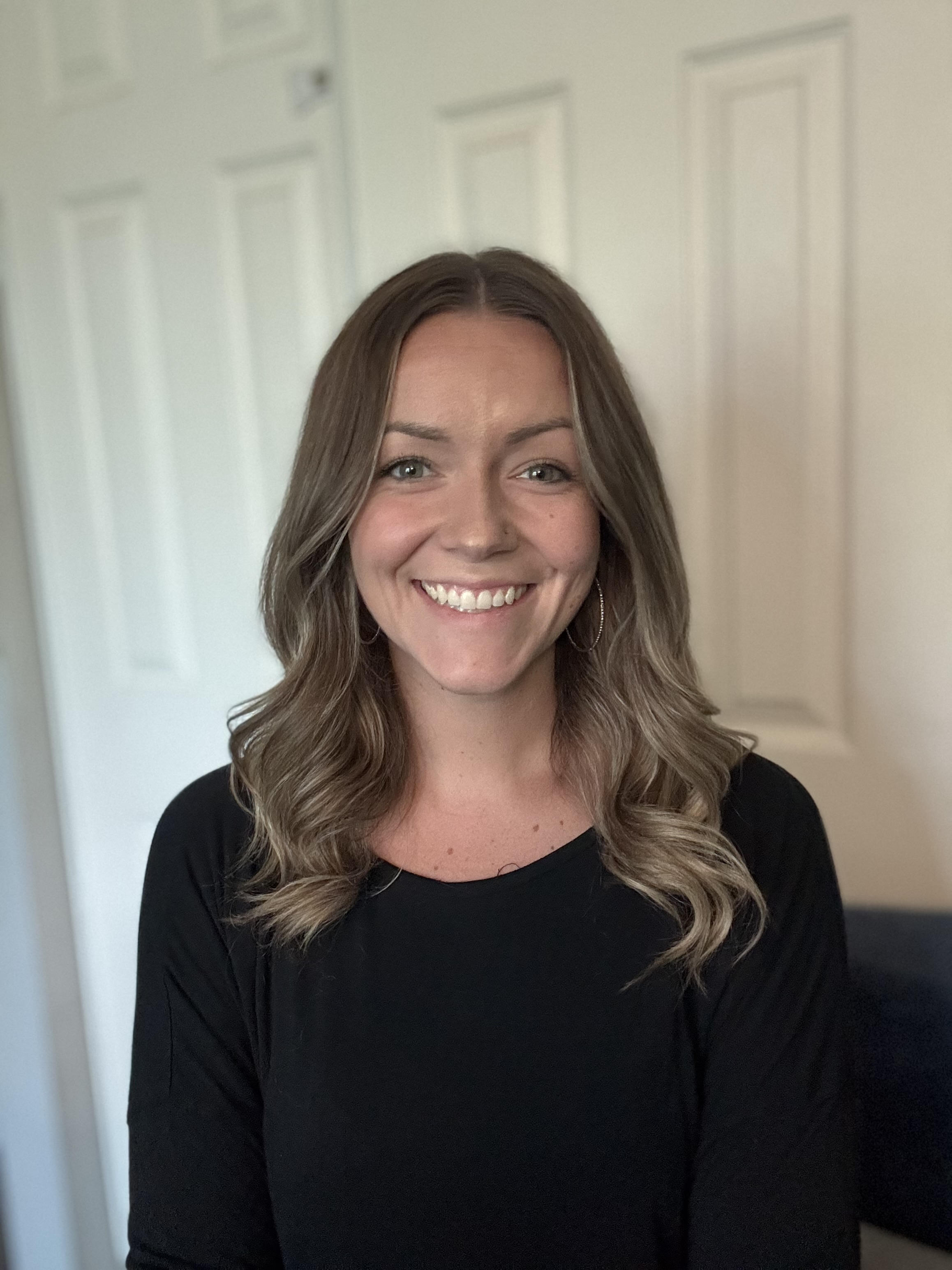
Arianna is the current head coach of the Puyallup High School Viking Dance Team. Her favorite types of dance are Pom and lyrical. This is her 11th year coaching with experience coaching dancers at the middle and high school level. Arianna has her Masters degree in Kinesiology and believes in training dancers as the athletes they are to help them perform their best.
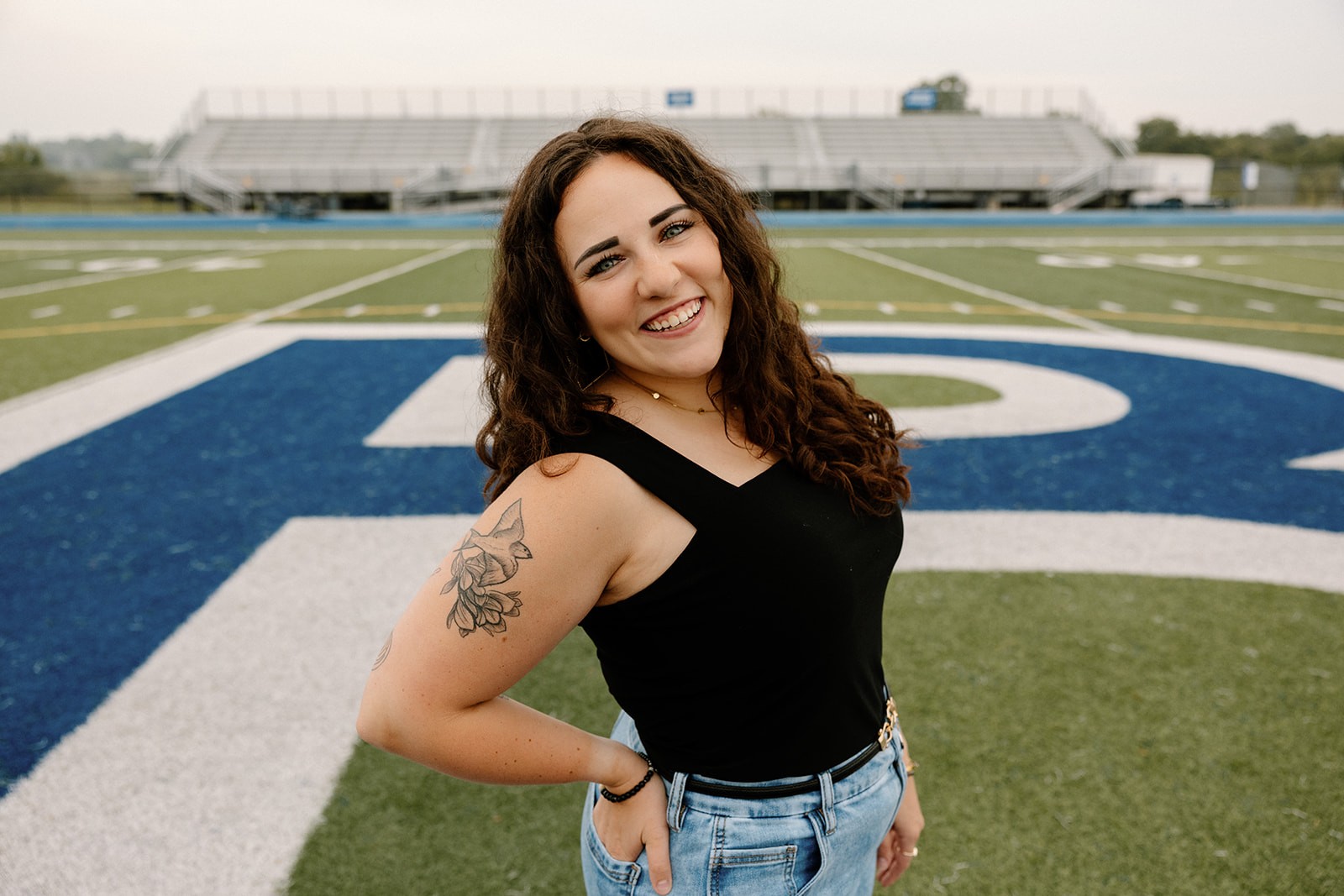
Dance Coach & Semi-Retired Dancer
I’ve been honored to be a 2-time DX National Coach of the Year Finalist, and I’ve spent 5 years leading the Sioux City West High School Dance Team. After a recent move, I am in my 1st season coaching the Bennington High School Dance Team. I’m in my 6th season coaching the Youth All Star team at 5678! Dance Studio, where I also coach the Senior All Star team, which has earned 1 Silver Medal and 2 Bronze Medals at the USASF Dance Worlds. I’m also an award-winning choreographer, a nationally recognized judge, and have been a UDA Instructor for 9 years.
On top of all that, I’m a proud graduate of the Connie Wimer Women's Leadership Group, I participated in the Morningside University’s Honors Program and have a Minor in Dance from Morningside University. I'm married to my highschool sweetheart, and we are lovingly raising our two dogs in Nebraska.

Head Coach RPI Dance Team
Edwina M is a dancer, choreographer, and coach whose career spans professional, AFL, and NBA dance teams. With a foundation in hip hop, jazz, African, and pom, she has performed and choreographed at both the collegiate and professional levels—bringing energy, creativity, and precision to every stage.
At RPI, Edwina transformed a small, non-competitive dance club into a nationally ranked program. Under her leadership, the RPI Dance Team became a recognized club sport, earning national recognition in Division III Jazz, Hip Hop, and Pom.
Throughout her career, Edwina has combined performance excellence with a passion for mentorship—building teams, empowering dancers, and fostering an environment where artistry and athleticism thrive together. Her work reflects a lifelong commitment to growth, and community, fostered thru dance.


